Carnival dishes on the Amalfi Coast

Carnival on the Amalfi Coast brings fun, colors, and joy, but it’s at the table that the celebration reaches its peak. During this time of year, local gastronomy takes center stage, telling stories of conviviality and territorial identity. These preparations stem from ancient gestures, passed down through time, and showcase genuine ingredients that reflect the soul of the coast. Among alleyways, homes, and laden tables, food becomes a common language, capable of uniting generations and communities, celebrating the joy of being together and the deep connection with the territory and its truest and most heartfelt traditions.
And now, let’s discover together the dishes that make Carnival on the Amalfi Coast unique!
Praiano Migliaccio
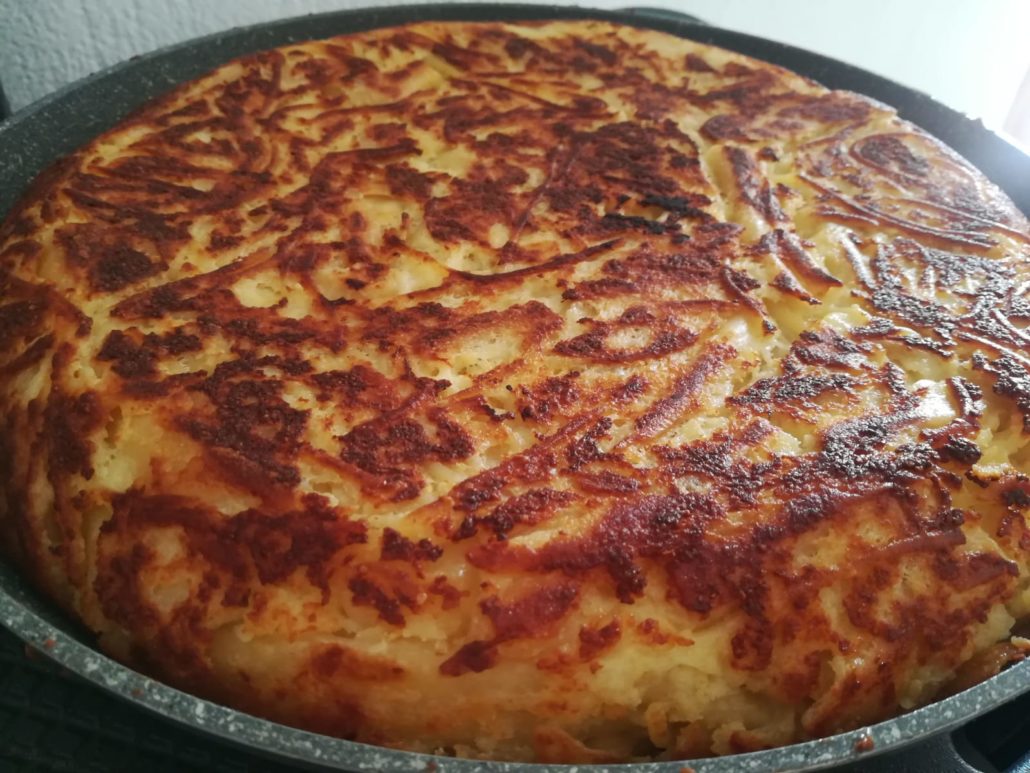
Praiano migliaccio is the savory version of the classic sweet migliaccio. It’s a sort of mixed pasta frittata (long ziti, mafaldine, or trenette) enriched with coarse semolina, lard, eggs, mozzarella or fresh caciocavallo, sheep’s milk caciotta or grated pecorino, smoked sausage, pepper, cinnamon, and salt. The ingredients alone tell the story of its nature as a peasant dish, capable of evoking the flavors and aromas of times past. Often these were leftover or scrap ingredients from previous days. Its origins date back to the medieval period. The name derives from the original recipe’s ingredient, millet flour, now replaced by durum wheat semolina. In Latin, “miliaccium” indicated bread made with millet. Lovingly prepared in all the families along the coast, migliaccio is the undisputed star of Carnival, enjoyed both hot and cold.
Baked Lasagna
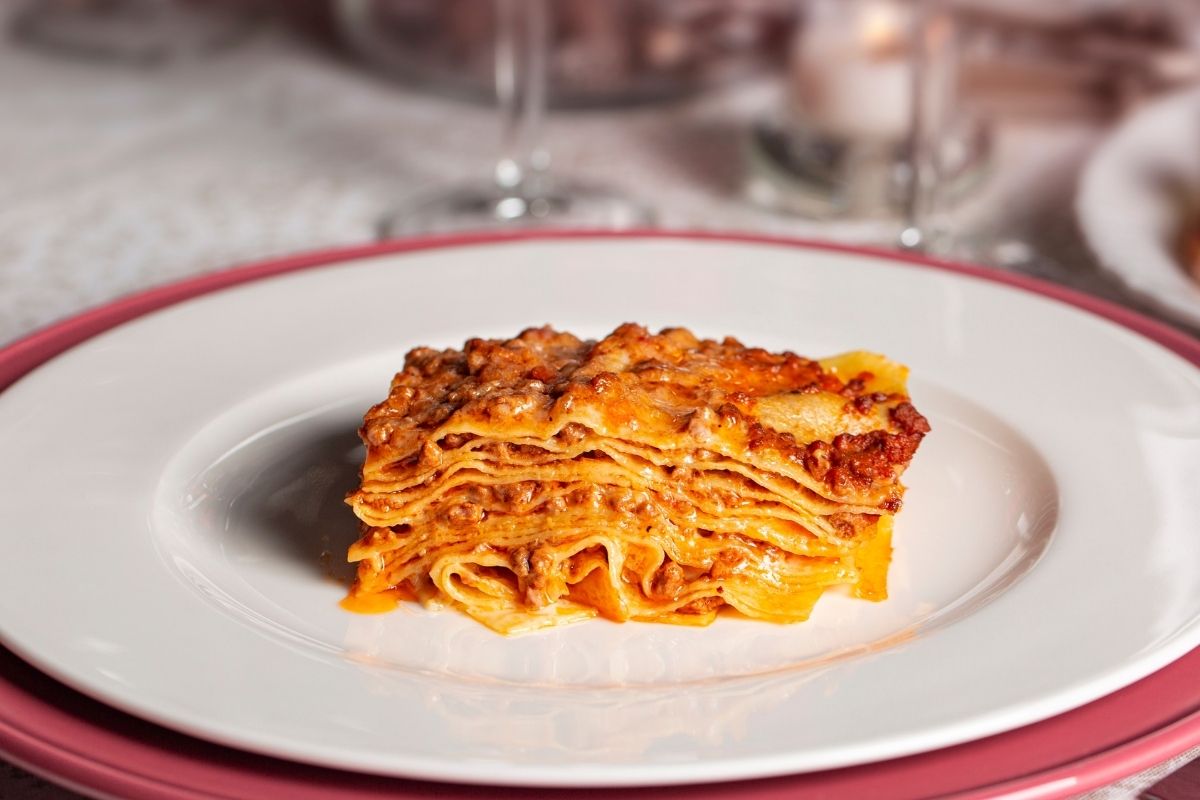
Baked lasagna is a hearty and tasty dish, traditionally prepared on Fat Tuesday to celebrate the last day of Carnival. Compared to the Emilian version, the Campanian version doesn’t use egg pasta and has a richer filling. It combines layers of fresh pasta with a flavorful tomato ragù, fiordilatte cheese, ricotta, sausages, meatballs, and, optionally, hard-boiled egg, Neapolitan salami, or peas. Though the recipe can vary from family to family. Its origins are ancient: Marcus Gavius Apicius, in his cookbook “De Re Coquinaria” (1st century AD), spoke of a dish called “lagana” prepared with pasta sheets alternated with a meat filling. A small curiosity: lasagna was one of King Ferdinand II of Bourbon’s favorite dishes, son of Francis I, who earned the nickname “lasagnone” (big lasagna) from his father because of this passion.
Pork-Based Dishes
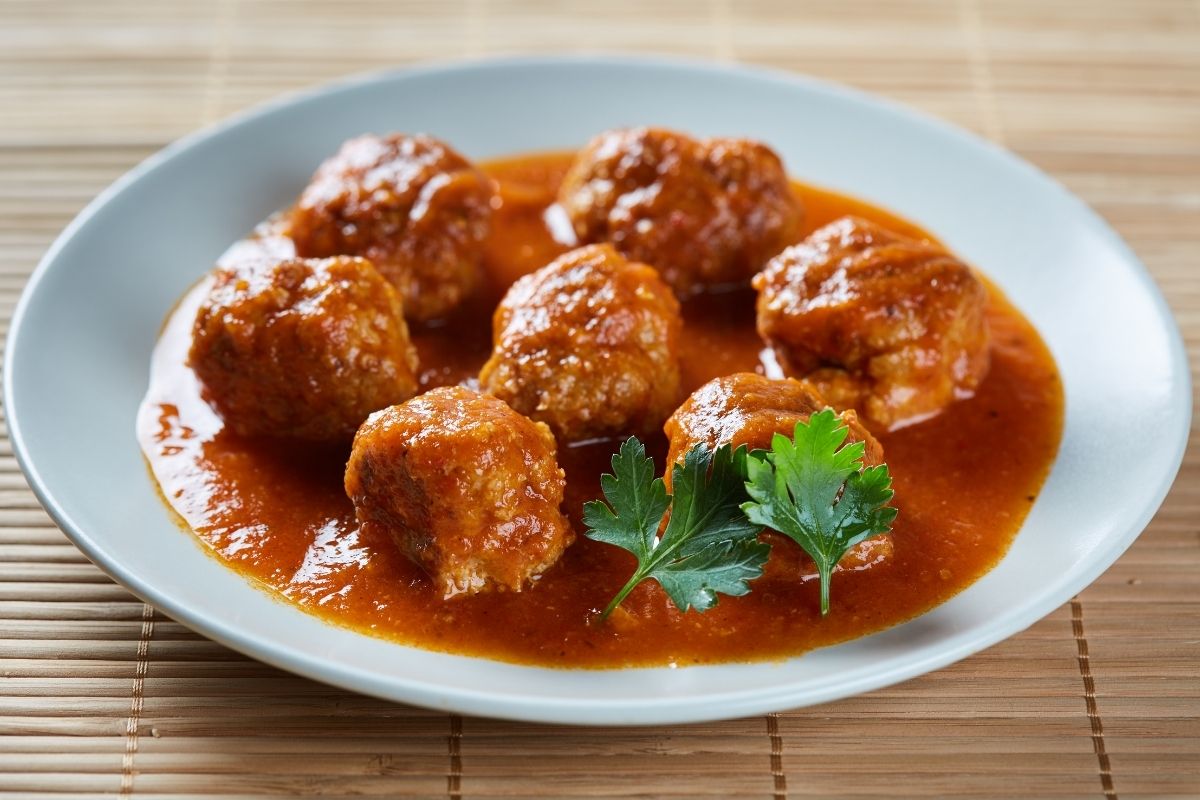
During Carnival celebrations, pork has always been a fundamental ingredient in the coast’s gastronomic traditions. Various parts of the pig can be used in different recipes. Among the most characteristic preparations are ground meat meatballs. Golden and inviting, they’re the stars of lasagna filling in reduced format but also become the quintessential second course, either plain or with sauce. Another typical Carnival dish is pork gelatin, in dialect “Ilatina ‘r puorcu,” which is essentially a condensed meat broth in which pieces of meat are held together by the gelatin produced by the natural collagen that certain parts of the pig release during cooking. Finally, sanguinaccio, a cream made with chocolate, milk, and pig’s blood, which is part of ancient popular Carnival recipes and which today, for hygienic reasons, is prepared in a variant that doesn’t include the use of pig’s blood.
Chiacchiere
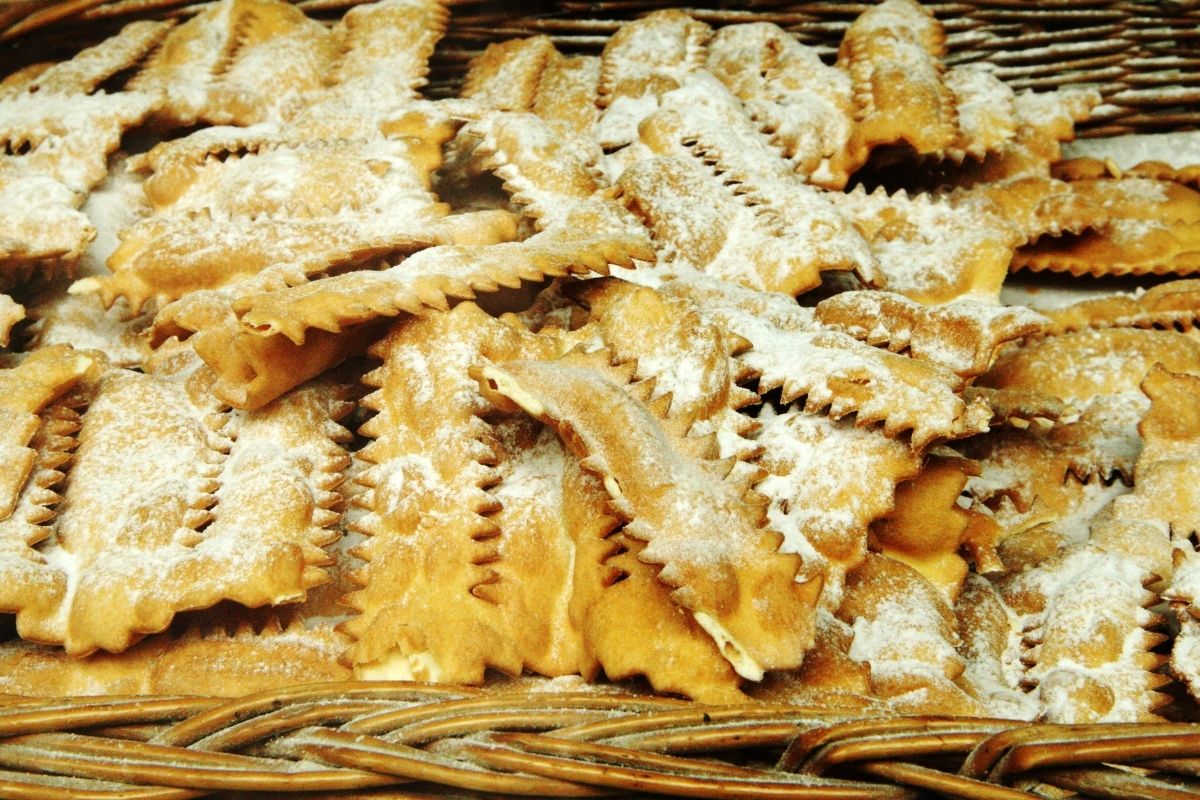
Chiacchiere are the quintessential Carnival sweet. Widespread throughout Italy, they take different names depending on the region: “bugie” in Piedmont and Liguria, “cenci” in Tuscany, “cioffe” in Abruzzo, “frappe” in Lazio, “intrigoni” in Emilia-Romagna, “galani” in Veneto, etc. They have a particular consistency and shape: tender and crumbly, they’re irregularly cut into strips and intertwined in various ways. The dough for the strips is made of sugar, flour, water, eggs, and a fortified wine (or, alternatively, a few splashes of Strega liqueur). After frying in abundant oil, they’re served with a generous dusting of powdered sugar. Their tradition dates back to “frictilia,” the sweets fried in animal fat that in ancient Rome were prepared during the Saturnalia, a festival very similar to today’s Carnival.
Zeppole
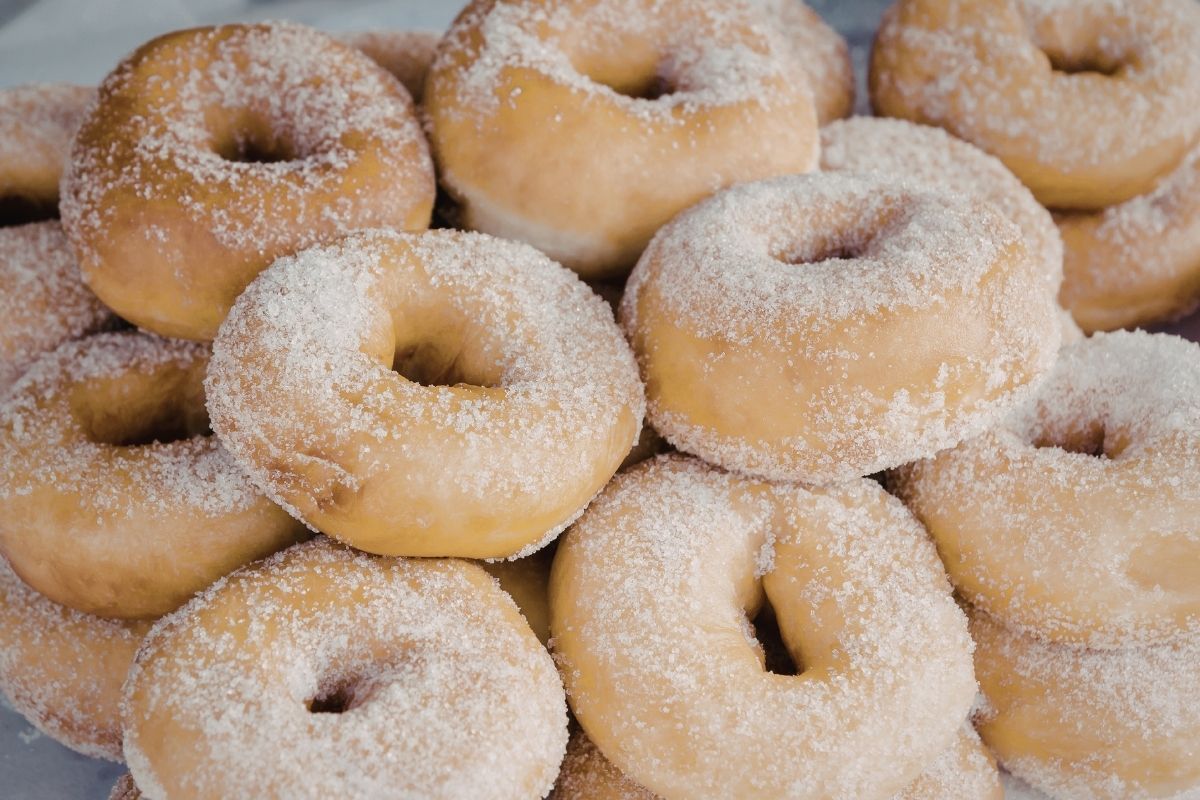
Along with chiacchiere, the dessert tray can never be without zeppole (even though they’re available year-round). Not to be confused with St. Joseph’s zeppole, these are fried donuts made with potatoes, scented with citrus, and covered in sugar, which on the coast take on a particular flavor thanks to the use of local lemons. On the outside they’re crispy, while inside they remain soft. The arrival of zeppole in Campania dates back to the period of Austrian rule. They’re actually a reinterpretation of German krapfen, small fried doughs filled with jam.


