Fiordilatte from Agerola
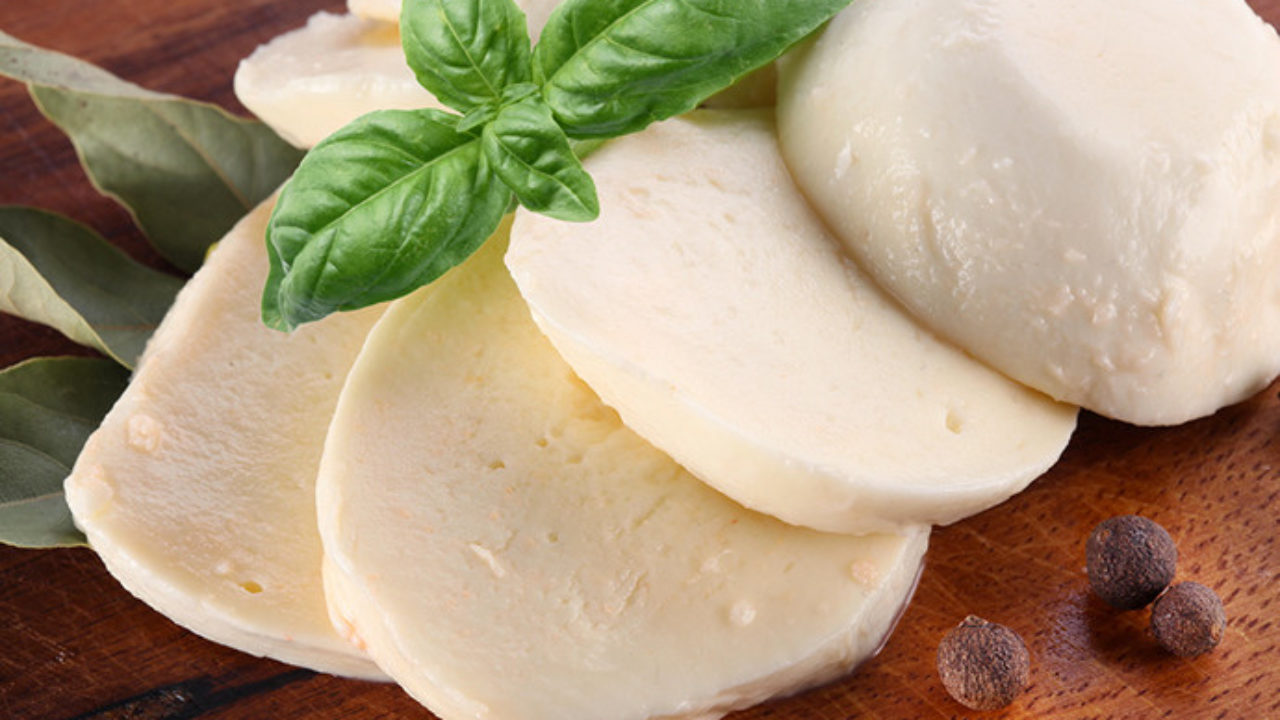
Known and appreciated by food lovers around the world, Fiordilatte from Agerola is much more than a simple cheese: it is a symbol of local identity and an undisputed protagonist of Mediterranean cuisine. As the name suggests, it is produced in Agerola, a town just a few kilometers (on foot) from our boutique hotel, where the art of cheesemaking has ancient origins. Here, local shepherds made livestock one of their primary sources of sustenance and combined it with milk processing, transforming it into ricotta and high-quality cheeses.
What is Fiordilatte from Agerola? Often confused with mozzarella (from which it differs in the type of milk used, texture, and low whey release), it is a fresh, stretched-curd cheese made from locally sourced fresh cow’s milk, raised according to tradition. The milk comes from multiple milkings performed within a maximum of 16 hours, as it must be delivered extremely fresh for processing, which takes place within 24 hours. The shape varies: the most common is rectangular, but it can also be found round with a small head, in knot form, or braided. It has no rind, a milky white color with straw-colored hints, a soft “skin,” and a smooth, shiny, and uniform surface. The curd has no holes, is fairly elastic, fibrous, and moist, and when cut, releases a milky liquid that is homogeneous and free from spots or streaks. Its aroma is delicately fresh, and its taste is slightly tangy, sweet, and properly salty.
The production process is the one commonly used for cow’s mozzarella. During acidification, the curd develops the essential natural cultures necessary for the final flavor; this process occurs naturally and takes about twelve hours. The curd is then stretched and shaped. The process ends with the “mozzatura,” an operation requiring great experience and manual skill from the cheesemaker. The use of raw milk combined with natural acidification gives Fiordilatte from Agerola its fresh and typical milky aroma. Calf rennet is used for coagulation, either in paste or liquid form.
Besides being enjoyed fresh, perhaps with vegetables, as an appetizer, or simply with extra virgin olive oil, aromatic herbs, and a sprinkle of pepper, Fiordilatte is excellent for cooking—used in first and second courses, salads, and fillings. It also performs very well on pizza, as it releases less whey than mozzarella, preventing the dough from becoming soggy. Recommended wine pairings are mostly local white varieties, young and fresh, lightly chilled, providing a pleasant acidity to balance its delicate yet distinct aroma (Penisola Sorrentina DOC Bianco – from Falanghina, Greco Bianco, Fiano, Biancolella grapes – or Asprinio di Aversa, etc.).
Fiordilatte from Agerola is also celebrated with an annual festival held in Agerola in the early days of August, usually between the 2nd and 5th. The event is a true moment of community and celebration, offering visitors the chance to discover local specialties, historic sites, and the stunning landscapes of the Monti Lattari.
Photo © ONAF


