I calzoncelli: a traditional Christmas sweet from the Amalfi Coast
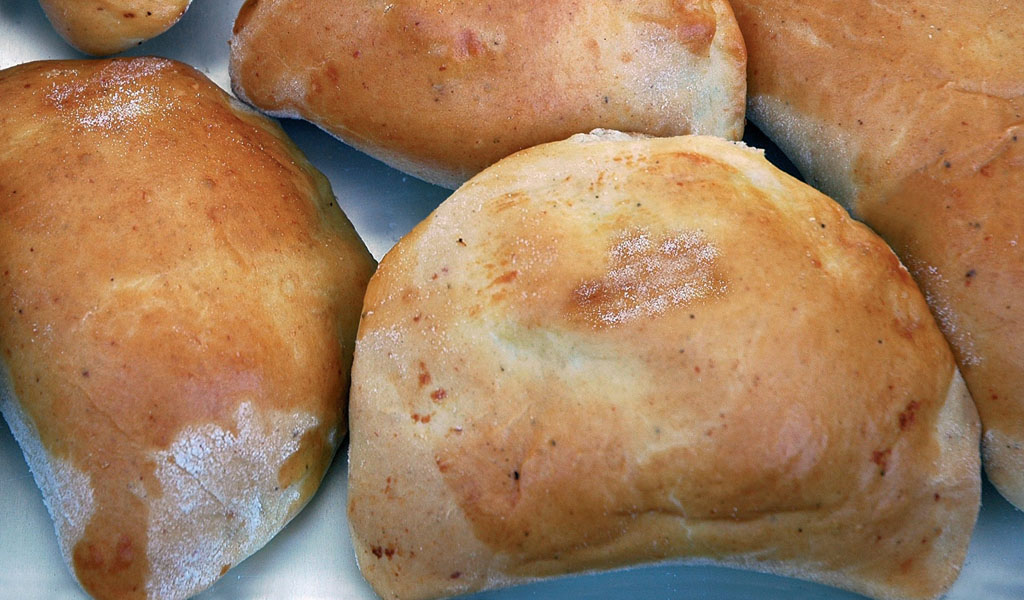
Christmas is an opportunity to rediscover traditional flavours, especially those associated with regional confectionery. From north to south, festive tables are filled with sweets made according to recipes passed down through generations, often linked to local customs and family memories. Each area has its own specialities, with ingredients and preparation methods that tell the story of its culinary heritage.
On the Amalfi Coast, alongside susamielli and struffoli, calzoncelli are an essential part of the festive season. Also known as “pasticelle di Natale” (Christmas pastries), they are popular in several areas of Campania, particularly in the province of Salerno, the Sannio Beneventano area and Irpinia. At Albadamare, we would love to introduce you to the flavours of our region and the customs that make it unique throughout the year. Are you ready to discover one of the most beloved treats of the Christmas season?
For those who are not familiar with them, calzoncelli are small pastries, usually crescent-shaped or round, made with very thin pastry that encloses a soft, rich filling. The outer dough is prepared with flour, sugar, white wine, salt and eggs. But the secret to their delicious flavour lies in the filling, which contains chocolate, pine nuts, dried pears, cocoa, coffee, flavourings, sugar and chestnut purée. Chestnuts are the ingredient that most characterises the filling, so much so that people often start making these pastries as soon as the chestnuts begin to fall, rather than waiting until Christmas. There are also variations that include liqueurs, reflecting how this traditional recipe has evolved over time to suit the habits of different families.
Still on the subject of chestnuts, the so-called Marroni di Scala are grown in the area of Scala, a village perched in the mountainous part of the Amalfi Coast. Despite their name, botanically speaking, they are actually chestnuts rather than marrons, as they are not particularly large and have a distinctive shape, flattened on one side. Their flesh is white and their shells are thin, with a shallow episperm. This fruit is also celebrated at a festival held every year in October in Scala.
You can find calzoncelli in pastry shops along the Amalfi Coast from autumn through the Christmas season. But if you would like to make them at home, here is the recipe.
Ingredients for the dough
500 grams of plain flour
50 grams of sugar
Approximately 120 millilitres of white wine
1 pinch of salt
2 eggs
For the filling
500 grams of chestnuts
150 grams of dark chocolate
100 grams of sugar
30 grams of unsweetened cocoa powder
1 small cup of coffee
30 grams of pine nuts
40 grams of dried pears
cinnamon and other flavourings to taste
1 small glass of aromatic liqueur of your choice
For frying and decorating
peanut oil, as needed
icing sugar
Method
First, prepare the filling. Boil the chestnuts in water until tender, then remove the shells and inner skins and pass them through a sieve or potato ricer to obtain a purée. Soak the dried pears in warm water to soften them, then drain and cut them into small pieces. Melt the dark chocolate in a bain-marie and stir it into the chestnut purée. Add the sugar, cocoa, coffee, pears, pine nuts, liqueur and chosen flavourings. Mix until you have a smooth, fairly firm mixture, then leave it to cool.
While the filling is cooling, prepare the dough. Place the flour on a work surface and make a well in the centre. Add the sugar, eggs and salt. Gradually pour in the white wine and knead the ingredients until you obtain a smooth, elastic dough. Cover it and leave it to rest for about 30 minutes.
Once the dough has rested, roll it out with a rolling pin or a pasta machine until you obtain a very thin sheet. Cut out small discs and place a little filling in the centre of each one. Fold the pastry over into a crescent shape and carefully seal the edges.
Now all that remains is to fry the calzoncelli. Fry a few at a time in plenty of hot oil, turning them until they are golden and crisp. Drain them on kitchen paper to remove any excess oil and, once cooled, finish with a dusting of icing sugar.
Photo © Agriculture Department of the Campania Region


