Theater Festival ‘Scene d’Amalfi’ at the Arsenal of the Republic of Amalfi
From January 22 to March 1, the Arsenal of the Republic of Amalfi will host the first edition of the theatrical festival “Scene d’Amalfi“. Promoted by the Municipality in collaboration with local theater companies, it offers a journey through the great classics of Neapolitan theater, signed by Peppino De Filippo, Eduardo De Filippo and Eduardo Scarpetta.
A continuous dialogue between tradition and contemporaneity gives life to a popular and authentic theater, capable of alternating comedy and dramatic tension. Through a tragicomic perspective often charged with moral intentions, dialect and the most direct and recognizable Neapolitan language become tools for narrating everyday life: poverty, the aspirations of the people, family bonds and the contradictions of social hypocrisy. A theater that has its roots in the Commedia dell’Arte, populated by emblematic masks and caricatural characters, and marked by the legacy of fundamental authors such as Scarpetta and the De Filippo brothers.
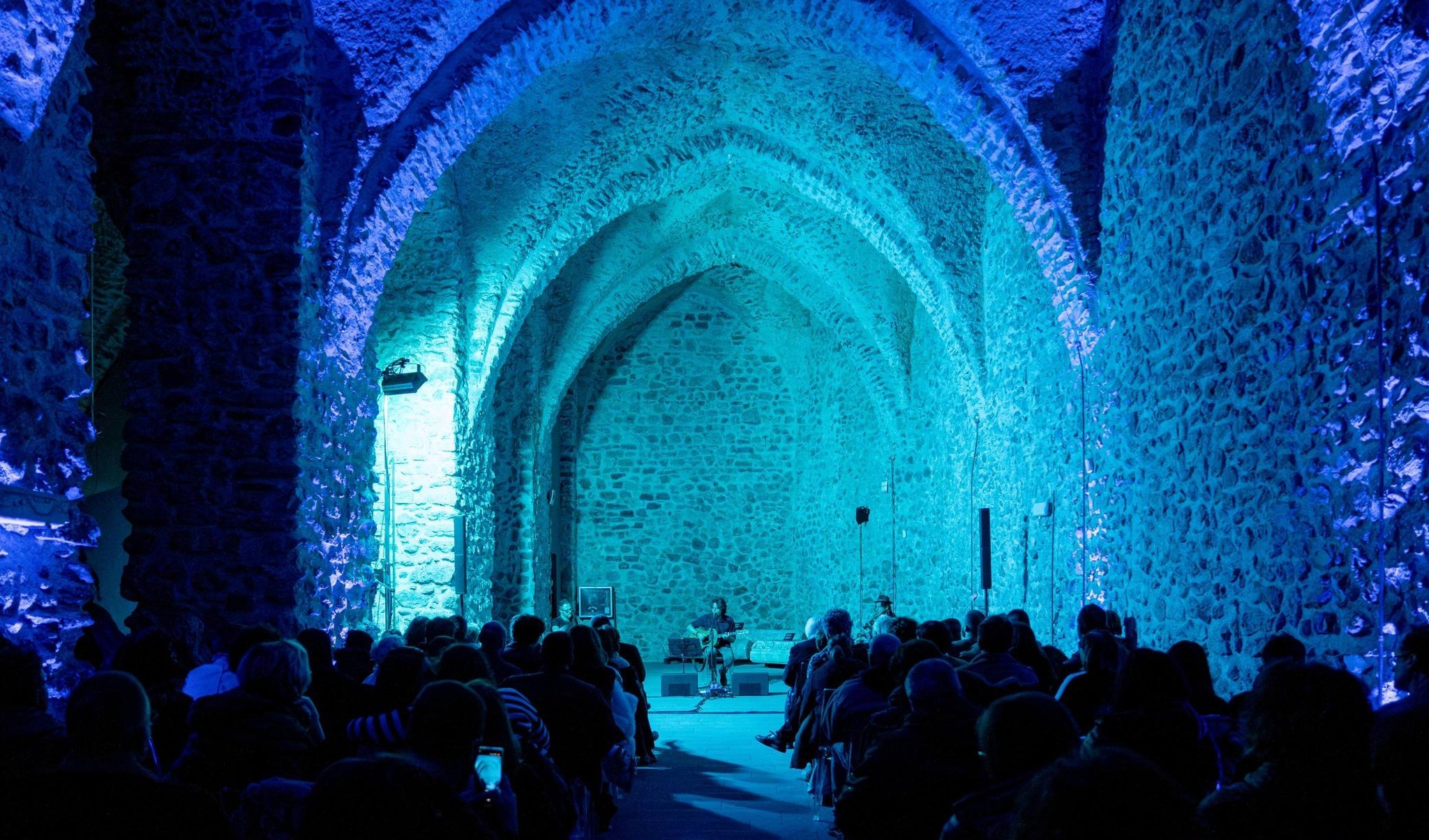
For those unfamiliar with it, the Arsenal of the Republic of Amalfi is the monument symbolizing the city’s glorious past as well as a rare example of medieval civil architecture. Located 10 kilometers from our boutique hotel, it was the shipyard where master carpenters brought to life the ships and galleys of the merchant and war navy. The first mention of the building dates back to 1059, when it appears in a document with the term of Arabic origin “àrsena” or “arsìna”. From the 13th century onwards it was referred to as “tarsienàtus”, a Latinized version of the name, which during the Renaissance evolved into “tarsinàle”. During its peak period, it represented a center of intense working activity. With the progressive decline of the Maritime Republic of Amalfi, it lost its original function and was subsequently used for various purposes, becoming a convent, a warehouse and even a garage for public buses. Only in 1934, following a major recovery intervention, was it reopened to the public; this was followed by a more recent and definitive restoration, which has brought it back to its former glory.
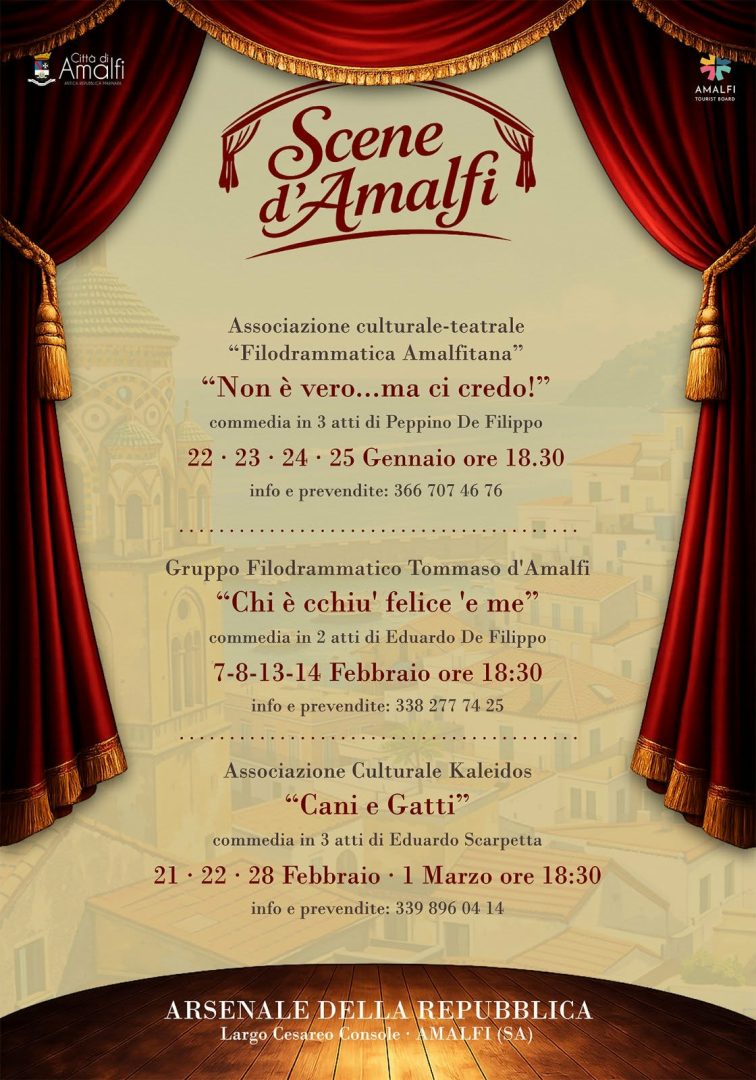
Photo © Città di Amalfi


